

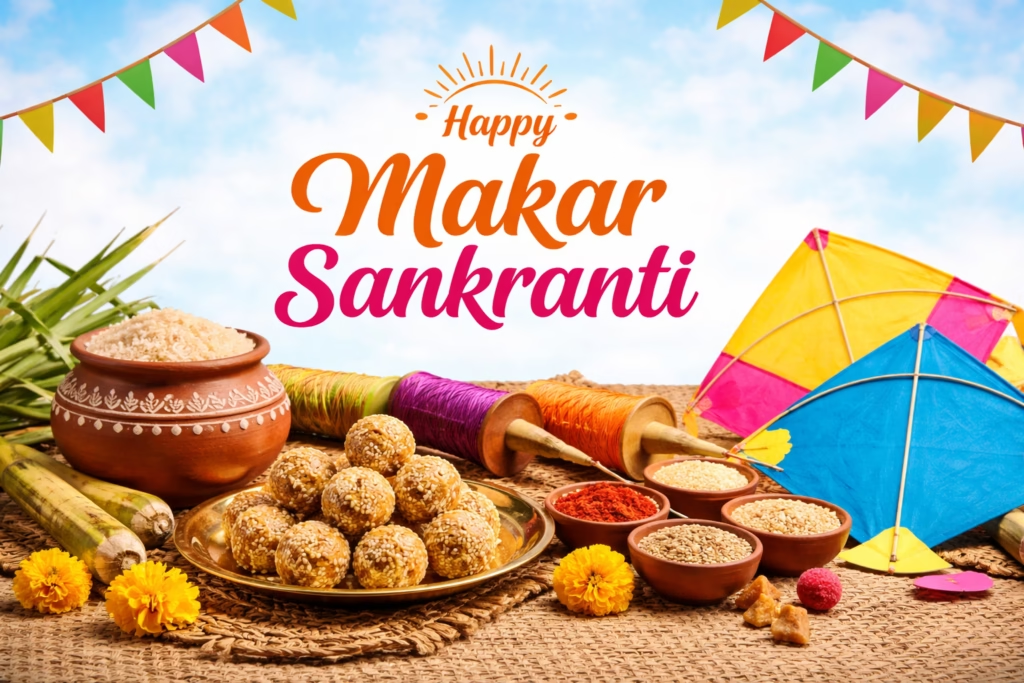
India is a land where festivals are deeply connected to nature, seasons, and cosmic movements. Among these, Makar Sankranti holds a unique and timeless significance. Celebrated with joy, gratitude, and hope, Makar Sankranti is not just a religious event but a celebration of life, harvest, and the harmonious relationship between humans and nature. Unlike many festivals that follow the lunar calendar, Makar Sankranti is based on the solar cycle, making it a festival of scientific, agricultural, and spiritual importance.
This blog explores why we celebrate Makar Sankranti, its meaning, traditions, regional variations, and the deeper message it carries for modern life.
The Meaning of Makar Sankranti
The word Makar refers to the zodiac sign Capricorn, and Sankranti means transition. Makar Sankranti marks the day when the Sun moves from the zodiac sign Sagittarius (Dhanu) into Capricorn (Makar). This solar transition is considered highly auspicious in Indian culture.
With this movement, the Sun begins its northward journey, known as Uttarayan. Traditionally, Uttarayan symbolizes positivity, growth, and spiritual awakening. The days gradually become longer, the cold starts to recede, and nature prepares for renewal.
Thus, Makar Sankranti celebrates the turning point of the year, when darkness slowly gives way to light and warmth.
A Festival Rooted in Nature and Agriculture
One of the most important reasons for celebrating Makar Sankranti is its strong connection to agriculture. India has always been an agrarian society, and this festival marks the end of the winter crop season and the beginning of a new agricultural cycle.
Farmers celebrate their harvest, thank the Sun for energy and life, and pray for prosperity in the coming months. Crops like sugarcane, sesame seeds, rice, and pulses play a major role in Makar Sankranti rituals, symbolizing abundance and nourishment.
The festival is a reminder that human survival depends on nature’s balance, and gratitude toward natural forces is essential for sustainable living.
Scientific Significance of Makar Sankranti
Makar Sankranti is deeply scientific in nature. It marks the shift of the Sun toward the northern hemisphere, resulting in longer days and increased sunlight. This change has a positive impact on human health, mood, and agricultural productivity.
The traditional foods consumed during Makar Sankranti—such as sesame (til), jaggery (gur), and ghee—are chosen thoughtfully. These ingredients generate warmth in the body, boost immunity, and help people adapt to seasonal changes.
The practice of taking holy dips in rivers is also linked to health and hygiene, as it was believed to purify the body and mind at a time when seasonal illnesses were common.
Spiritual Importance of the Festival
Spiritually, Makar Sankranti symbolizes inner transformation. The Sun’s movement toward the north represents a shift from ignorance to knowledge, from negativity to positivity.
In Hindu philosophy, Uttarayan is considered a favorable period for spiritual growth. Many believe that acts of charity, prayer, and self-discipline performed on Makar Sankranti bring long-lasting merit.
The festival encourages people to let go of ego, anger, and past conflicts, and begin anew with kindness and humility.
Why Kite Flying Is an Important Tradition
One of the most joyful traditions associated with Makar Sankranti is kite flying, especially in states like Gujarat, Rajasthan, and Maharashtra. Beyond entertainment, kite flying has symbolic meaning.
Flying kites signifies freedom, joy, and reaching toward higher goals. It also has a health-related aspect—exposure to sunlight early in the year helps the body absorb vitamin D, strengthening bones and immunity.
Socially, kite flying brings communities together, creating an atmosphere of friendly competition and shared happiness.
Regional Names and Celebrations Across India
Makar Sankranti is celebrated across India under different names, reflecting the country’s cultural diversity:
- Pongal in Tamil Nadu, a four-day harvest festival honoring the Sun, cattle, and nature
- Uttarayan in Gujarat, known for its international kite festival
- Lohri in Punjab, celebrating harvest and fertility with bonfires
- Magh Bihu in Assam, marking the end of the harvesting season
- Khichdi Festival in Uttar Pradesh, where food donation holds great importance
Despite regional differences, the core message remains the same—gratitude, renewal, and unity with nature.
The Tradition of Til and Gur
Exchanging sweets made of sesame seeds and jaggery is a central ritual of Makar Sankranti. The popular saying, “Til-gul ghya, god-god bola”, reflects the festival’s moral teaching.
Sesame represents strength and resilience, while jaggery symbolizes sweetness and harmony. Together, they convey a powerful message—speak sweetly, maintain warmth in relationships, and forget past bitterness.
This simple ritual carries a timeless lesson in human values and social harmony.
Charity and Social Responsibility
Charity plays a vital role in Makar Sankranti celebrations. Donating food, clothes, grains, and essentials to the needy is considered highly auspicious.
This tradition emphasizes the importance of sharing abundance and caring for society’s weaker sections. It transforms celebration into compassion, reminding people that true prosperity is incomplete without generosity.
Makar Sankranti in Modern Times
In today’s fast-paced world, Makar Sankranti continues to hold relevance. It reminds us to reconnect with nature, respect seasonal rhythms, and appreciate the sources of our food.
The festival also offers an opportunity to slow down, strengthen family bonds, and reflect on personal growth. Its message of renewal aligns perfectly with modern ideas of mindfulness and sustainable living.
The Deeper Message of Makar Sankranti
Beyond rituals and celebrations, Makar Sankranti teaches us valuable life lessons:
- Change is natural and necessary
- Gratitude leads to contentment
- Light always follows darkness
- Unity can exist within diversity
The festival encourages both external celebration and internal reflection.
Conclusion: Celebrating Hope, Light, and Renewal
We celebrate Makar Sankranti because it represents a fresh beginning for nature and the human spirit. It honors the Sun’s journey, the farmer’s hard work, and humanity’s connection to the Earth.
More than a festival, Makar Sankranti is a reminder that life constantly moves forward, offering new chances to grow, forgive, and thrive.
As kites soar into the sky and sweetness fills our homes, Makar Sankranti invites us to rise above negativity and welcome warmth, wisdom, and hope into our lives.