

Table of Contents
- Introduction: Unlocking the Brain’s Secret to Happiness
- The Brain’s Happiness Circuit: Key Players Revealed
- Dopamine: The Reward Chemical That Drives Motivation
- Serotonin: The Mood Stabilizer for Calm Contentment
- Oxytocin: The Love Hormone Building Bonds
- Endorphins: Nature’s Painkillers and Euphoria Boosters
- The Role of the Prefrontal Cortex in Positive Thinking
- Neuroplasticity: Rewiring Your Brain for Lasting Happiness
- Stress and the Amygdala: Why Chronic Worry Kills Joy
- Practical Brain Hacks: Science-Backed Ways to Boost Happiness
- The Dark Side: When Neurology Works Against Happiness
- Conclusion: Mastering Your Brain for a Happier Life
Introduction: Unlocking the Brain’s Secret to Happiness
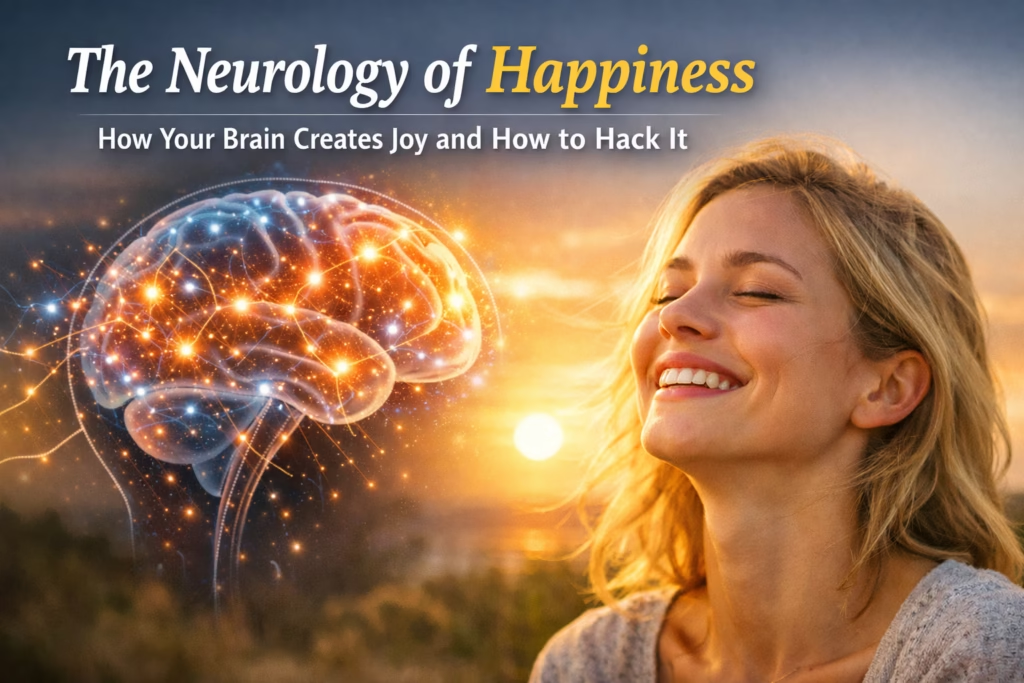
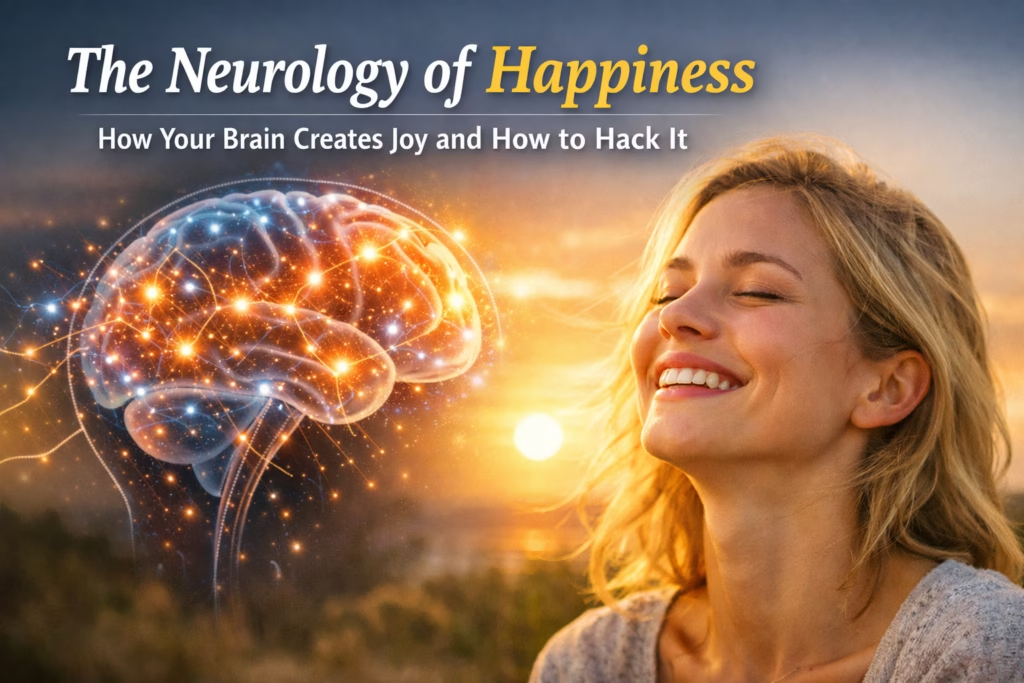
Happiness isn’t just a fleeting emotion—it’s a neurological state your brain actively constructs. In a world chasing quick fixes like social media likes or material possessions, understanding the science behind joy can transform how we live. Neuroscientists have mapped the brain’s “happiness circuit,” revealing how chemicals and regions interact to create feelings of contentment, pleasure, and fulfillment. This blog for zikzik.in readers dives deep into the neurology of happiness, exploring key neurotransmitters, brain structures, and practical ways to “hack” your brain for more joy. Backed by research yet explained simply, discover how small changes can rewire your mind for lasting well-being.
The Brain’s Happiness Circuit: Key Players Revealed
Your brain isn’t wired for constant bliss—evolution favored survival over perpetual happiness. Yet, specific networks light up during joyful moments. The “reward system” involves the ventral tegmental area (VTA), nucleus accumbens, and prefrontal cortex, releasing chemicals that signal pleasure. Studies using fMRI scans show these areas activate during acts of kindness, achievement, or social connection. The limbic system, including the amygdala and hippocampus, processes emotions and memories, influencing how we perceive happiness. Balance is key: too much stimulation leads to tolerance, while deprivation sparks craving. Understanding this circuit empowers us to cultivate sustainable joy.
Dopamine: The Reward Chemical That Drives Motivation
Dopamine, often called the “feel-good” neurotransmitter, fuels anticipation and motivation. Produced in the VTA and released in the nucleus accumbens, it surges during rewarding activities like eating delicious food or achieving goals. A 2023 Harvard study found dopamine levels rise 200% during goal pursuit, explaining why chasing dreams feels exhilarating. Low dopamine links to depression and lack of drive—seen in Parkinson’s disease. Hack it: Break tasks into small wins; each completion triggers a dopamine hit, building momentum. Exercise boosts dopamine receptors by 20–30%, per a Stanford review, making movement a natural motivator.
Serotonin: The Mood Stabilizer for Calm Contentment
Serotonin regulates mood, sleep, and appetite, contributing to serene happiness. About 90% is produced in the gut, explaining the gut-brain axis. Low serotonin correlates with anxiety and depression; SSRIs increase availability for relief. Sunlight exposure raises serotonin by 15–20%, a University of Copenhagen study showed. Tryptophan-rich foods (turkey, eggs, nuts) support production. Meditation increases serotonin, with long-term practitioners showing 25% higher levels in brain scans. For calm joy, prioritize sleep, diet, and mindfulness—serotonin thrives on consistency.
Oxytocin: The Love Hormone Building Bonds
Oxytocin, dubbed the “cuddle chemical,” fosters trust and bonding. Released during hugs, childbirth, and intimacy, it surges in the hypothalamus and pituitary gland. A 2024 Oxford study found oxytocin reduces stress hormones by 30% during social touch. Petting animals or deep conversations trigger it too. Low oxytocin links to social isolation and depression. Hack it: Physical touch (handshakes, hugs), acts of kindness, or even watching emotional movies. Strong relationships amplify oxytocin, creating a feedback loop of happiness.
Endorphins: Nature’s Painkillers and Euphoria Boosters
Endorphins, opioid-like chemicals, block pain and induce euphoria. Released during exercise (the “runner’s high”), laughter, or spicy food, they bind to mu-opioid receptors. A Loughborough University trial showed intense workouts increase endorphins by 50–100%. Laughter yoga sessions raised levels 27%, per research. Dark chocolate and music also trigger releases. For natural highs, incorporate movement, humor, and sensory pleasures—endorphins turn discomfort into delight.
The Role of the Prefrontal Cortex in Positive Thinking
The left prefrontal cortex activates during positive emotions, while the right handles negative. A Wisconsin study found optimistic people have stronger left-side activity. Gratitude journaling shifts activation, increasing happiness 25% over weeks. Mindfulness thickens this region, enhancing emotional regulation. Cognitive behavioral techniques reframe thoughts, boosting prefrontal control. Train it: Daily positive focus rewires pathways for resilience.
Neuroplasticity: Rewiring Your Brain for Lasting Happiness
Your brain changes with experience—neuroplasticity allows new habits to form connections. Happiness isn’t fixed; repeated positive actions strengthen joy pathways. A UCLA review showed 8 weeks of meditation grew gray matter in happiness centers by 5–10%. Learning new skills or languages activates reward loops. Challenge negative biases: Replace “I can’t” with “I can learn.” Plasticity peaks in youth but continues lifelong—start rewiring today for enduring bliss.
Stress and the Amygdala: Why Chronic Worry Kills Joy
The amygdala, your fear center, hijacks happiness under stress, flooding cortisol and shrinking the hippocampus. Chronic activation leads to anxiety, reducing serotonin and dopamine. A Yale study linked high cortisol to 20% lower happiness scores. Break the cycle: Deep breathing calms the amygdala in minutes. Nature walks reduce activity 15%, per Japanese research. Prioritize recovery—stress is joy’s thief.
Practical Brain Hacks: Science-Backed Ways to Boost Happiness
- Morning Sunlight: 10–15 minutes exposure sets serotonin rhythms.
- Gratitude Practice: Write 3 things daily—boosts prefrontal activity.
- Exercise Routine: 30 minutes moderate activity releases endorphins/dopamine.
- Social Connections: Weekly calls or meetups spike oxytocin.
- Mindful Eating: Savor meals for dopamine hits without overindulgence.
- Laughter Therapy: Watch comedy—endorphins surge 27%.
- Kindness Acts: Helping others activates reward centers more than self-rewards.
- Sleep Hygiene: 7–9 hours optimizes neurotransmitter balance.
- Novel Experiences: Try new hobbies—dopamine loves novelty.
- Breathwork: 4-7-8 technique calms amygdala fast.
The Dark Side: When Neurology Works Against Happiness
Genetics influence 40–50% of happiness baseline (twin studies), but environment shapes the rest. Disorders like depression alter chemistry—low serotonin/dopamine. Addiction hijacks reward systems, creating tolerance. Social media’s comparison trap activates stress pathways. Awareness helps: Seek therapy if needed—medication or CBT restores balance.
Conclusion: Mastering Your Brain for a Happier Life
Happiness isn’t luck—it’s neurology you can influence. From dopamine’s drive to serotonin’s calm, your brain’s chemicals and structures create joy when nurtured. Science shows small habits—sunlight, gratitude, movement—rewire pathways for lasting contentment. In a stressed world, understanding this empowers you: Hack your brain, embrace connections, and choose positivity daily. The result? A life richer in meaning and moments of true fulfillment. Start one hack today—your brain will thank you.
Disclaimer
This blog is based on the author’s analysis and general scientific insights on neurology and happiness. It aims to educate and inspire, without medical claims. Consult a healthcare professional for personalized advice. The author and zikzik.in are not responsible for actions taken based on this content.