


Table of Contents
- Introduction: Rediscovering Joy in Ancient Teachings
- The Pursuit of Happiness: A Chinese Perspective
- Confucianism: Virtue, Harmony, and Relational Joy
- Taoism: Flowing with the Dao for Inner Peace
- Key Principles: Ren, Li, Wu Wei, and Yin-Yang Balance
- Stories from the Sages: Zhuangzi and Confucius in Action
- Learning and Self-Cultivation: The Lifelong Journey
- Modern Applications: Bringing Ancient Wisdom to Daily Life
- Challenges in Today’s World: Overcoming Materialism and Stress
- Scientific Backing: Why These Ideas Work
- Conclusion: A Balanced Path to Lasting Fulfillment
Introduction: Rediscovering Joy in Ancient Teachings
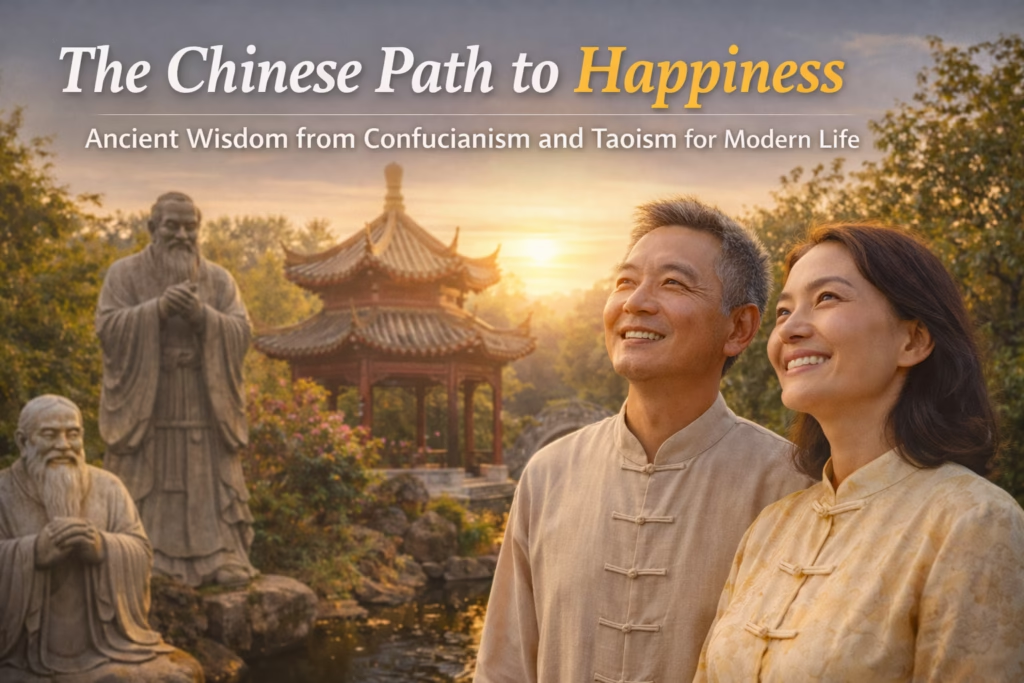
In a fast-paced world chasing fleeting pleasures—endless scrolling, material acquisitions, instant gratification—true happiness often feels elusive. Yet, thousands of years ago, Chinese philosophers offered a different vision: joy arises not from pursuit of pleasure, but from virtuous living, harmonious relationships, and alignment with nature’s flow. Confucianism and Taoism, two pillars of Chinese thought, present complementary paths to contentment—one through ethical structure and social bonds, the other through effortless harmony with the universe. For zikzik.in readers seeking deeper fulfillment, this blog explores how these ancient traditions define happiness through virtue, balance, learning, and acceptance. Discover why embracing the Dao and cultivating Ren might hold the key to modern peace.
The Pursuit of Happiness: A Chinese Perspective
Western views often link happiness to individual pleasure or achievement, but Chinese philosophy sees it as communal and cosmic harmony. Confucius (Kong Fuzi, 551–479 BCE) emphasized moral cultivation and social roles for collective well-being. Laozi and Zhuangzi, founders of Taoism, advocated wu wei (non-action) and flowing with the Dao—the natural way—for effortless joy.
Happiness (le or kuai le) isn’t transient thrill but enduring contentment from right living. Pleasure alone leads to emptiness; true joy stems from meaningful connections, self-improvement, and acceptance of life’s impermanence.
Confucianism: Virtue, Harmony, and Relational Joy
Confucius taught that happiness flows from ren (benevolence/humaneness)—treating others with kindness and empathy. In the Analects, he says a virtuous person finds joy in moral actions, not wealth or fame.
Li (ritual propriety) structures relationships—family, friends, society—for harmony. Fulfilling roles (filial piety, loyalty) brings satisfaction. Confucius found joy in learning and teaching, viewing self-cultivation as lifelong delight.
Relational focus: Happiness multiplies in strong bonds. A harmonious family or community creates shared contentment, contrasting individualism.
Taoism: Flowing with the Dao for Inner Peace
Taoism’s Dao De Jing by Laozi portrays happiness as alignment with the Dao—nature’s effortless way. Striving against flow causes suffering; yielding brings peace.
Wu wei (non-action) means acting without force—like water flowing around obstacles. Zhuangzi’s parables illustrate joy in simplicity: a butcher’s effortless cuts or a butterfly dream questioning reality.
Acceptance of change (impermanence) frees from fear. Yin-yang balance—opposites in harmony—teaches embracing both joy and sorrow for wholeness.
Key Principles: Ren, Li, Wu Wei, and Yin-Yang Balance
- Ren (Benevolence): Core virtue—extend kindness universally for relational joy.
- Li (Ritual): Proper conduct fosters social harmony and personal satisfaction.
- Wu Wei (Effortless Action): Act in tune with nature; resistance breeds unhappiness.
- Yin-Yang: Balance opposites—light/dark, active/passive—for equilibrium.
These interweave: Confucian structure complements Taoist flow, creating holistic happiness.
Stories from the Sages: Zhuangzi and Confucius in Action
Zhuangzi’s tales captivate. The “butterfly dream”—was he a man dreaming of a butterfly or vice versa?—teaches detachment from ego for freedom.
Confucius faced exile and hardship yet found joy in music and teaching disciples. When asked about happiness, he replied joy comes from moral living, not circumstances.
A fisherman story: Confucius admires a man’s simple life by the river, embodying wu wei harmony.
These narratives show happiness in perspective—virtue or natural flow triumphs over external chaos.
Learning and Self-Cultivation: The Lifelong Journey
Both traditions prize learning. Confucius said, “Learning without thinking is labor lost; thinking without learning is perilous”—joy in intellectual growth.
Taoists learn from nature—observing seasons or rivers teaches acceptance. Self-cultivation (xiushen) refines character for inner peace.
In modern terms: Lifelong learning—reading, hobbies, reflection—boosts well-being, aligning with ancient emphasis on growth over stagnation.
Modern Applications: Bringing Ancient Wisdom to Daily Life
Apply these today:
- Practice Ren: Daily kindness—listen actively, help without expectation.
- Embrace Li: Build routines—family dinners, respectful communication—for harmony.
- Cultivate Wu Wei: Go with flow—accept traffic or delays without anger.
- Seek Yin-Yang Balance: Alternate work/rest, ambition/relaxation.
- Nature Connection: Walks in parks mimic Taoist observation, reducing stress.
In careers: Pursue meaningful work aligning with values, not just pay. Relationships: Invest in bonds for shared joy.
Challenges in Today’s World: Overcoming Materialism and Stress
Consumerism pushes endless wanting—opposite of contentment. Social media amplifies comparison, eroding harmony.
Work pressure mirrors Confucian “role” excess without balance. Taoist remedy: Simplify—declutter, prioritize essentials.
Overcome by mindful consumption: Buy for need, not want. Digital detox restores inner peace.
Scientific Backing: Why These Ideas Work
Neuroscience supports: Kindness (ren) releases oxytocin, boosting bonds and happiness. Mindfulness (wu wei-inspired) reduces amygdala activity, lowering stress.
Positive psychology’s “flow state” echoes wu wei—immersion brings joy. Gratitude practices, Confucian reflection-like, increase well-being 25% (Harvard studies).
Relationships as happiness source: Longest study (Harvard Grant) confirms strong ties predict joy more than wealth.
Conclusion: A Balanced Path to Lasting Fulfillment
Chinese philosophy’s happiness—virtuous living, natural harmony, relational depth, lifelong learning—offers timeless antidote to modern emptiness. Confucianism structures joy through ethics and roles; Taoism frees it through flow and acceptance. Blend ren’s kindness with wu wei’s ease, li’s harmony with yin-yang balance, for contentment beyond pleasure. In a chasing world, pause—cultivate virtue, embrace nature’s way, cherish bonds. Happiness awaits not in more, but in alignment. Start today: One act of kindness, one mindful breath—your Dao to joy unfolds.
Disclaimer
This blog is based on the author’s analysis and general philosophical insights. It aims to educate and inspire, without religious endorsement. Readers are encouraged to verify details independently. The author and zikzik.in are not responsible for actions taken based on this content.